

New
Commercial B2B Sourcing Guide: Partnering with a Lion Plush Toy Manufacturer
Lion plush toys continue to be popular across the toy, gift, souvenir, and promotional product markets. Their recognizable appearance makes them suitable for children’s collections, educational products, theme park merchandise, retail stores, and branded campaigns.
For B2B buyers, however, sourcing lion plush toys involves more than finding an attractive design at a competitive price. Materials, product safety, sampling, quality control, production capacity, packaging, and delivery all need to be considered before placing a bulk order. Choosing the right lion plush toy manufacturer can help brands, retailers, distributors, and importers maintain consistent quality while keeping production and sourcing under control.
What to Consider When Sourcing Lion Plush Toys
Lion plush toys can be developed for very different markets. A small children’s product may require a different construction and safety approach from a large promotional plush or a decorative character. Before contacting a manufacturer, buyers should define the product’s intended use, target age group, size, materials, quantity, customization requirements, and destination market.
Designing the mane and character details
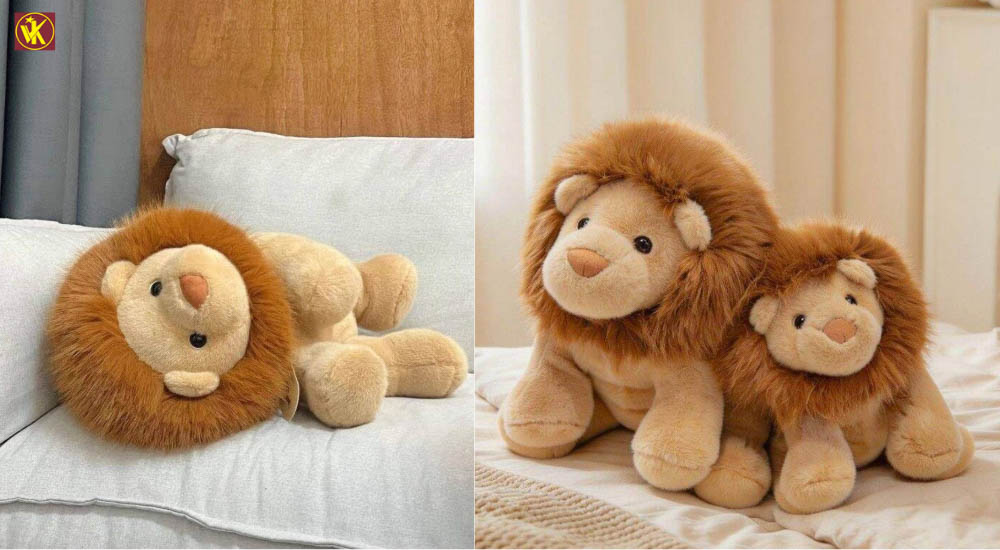
The mane is one of the most recognizable features of a lion plush toy, but it also adds complexity to the manufacturing process. Different fabrics and pile lengths can change the product’s texture, appearance, weight, and overall cost.
For custom products, the manufacturer should be able to work with different fabric types, colors, and construction methods. Details such as the face, ears, paws, tail, and mane need to be carefully proportioned so the finished product stays close to the approved design.
For branded or character-based products, sampling becomes especially important. A physical sample allows buyers to review the appearance, proportions, materials, and finishing before moving into mass production.
Baby and children’s lion plush toys
When working with baby lion plush toy manufacturers, buyers should pay close attention to materials, stitching, filling, and the construction of facial features and decorative elements. Products intended for infants and young children may be subject to specific safety requirements depending on the target market and age grading.
For example, children’s toys sold in the United States are subject to applicable CPSC requirements, including the mandatory toy safety standard under 16 CFR Part 1250, which incorporates ASTM F963. Toys intended primarily for children 12 years and under are also subject to applicable third-party testing and certification requirements. The exact testing scope depends on the product and its intended use.
For this reason, buyers should communicate the intended market and age group to the manufacturer before production. This allows product design, materials, labeling, and testing requirements to be considered from the beginning.
Producing large and oversized lion plush toys
A large plush lion toy requires a different production approach from a standard-sized plush. As the product becomes larger, its weight, filling distribution, shape, and seam construction become increasingly important.
The pattern needs to be developed carefully so the finished product maintains its intended proportions. Internal stitching and filling should provide enough support without making the plush excessively firm or difficult to handle.
Packaging should also be considered during product development. Depending on the design and fabric, compression or vacuum packaging may help reduce shipping volume. The method should be tested beforehand to ensure that the plush can recover its intended shape after unpacking.
Quality and compliance in lion plush toy manufacturing
For international B2B buyers, product quality should be evaluated throughout production rather than only after the final shipment is completed. A clear quality control process helps reduce differences between the approved sample and the finished production batch.
Fabric, Filling and Stitching Quality
The fabric used for a lion plush affects both its appearance and durability. Short plush, long-pile fabrics, velvet, and other textile materials can create very different finishes.
The mane deserves particular attention because long-pile fabrics may be more sensitive to shedding, tangling, or changes in appearance during handling and transportation. Buyers should review the selected material carefully during the sampling stage before approving it for bulk production.
Stitching is equally important. Seams around the ears, legs, tail, and other areas that receive frequent handling should be checked for strength and consistency. Filling should also be distributed evenly so the finished plush maintains its shape without obvious gaps or lumps.
Quality checks before bulk production
A reliable production process starts with an approved sample. The sample should clearly establish the main specifications of the product, including dimensions, fabric, colors, filling, embroidery, accessories, labels, and packaging.
These specifications can then be used as a reference during bulk production. Depending on the buyer’s requirements, quality inspections may cover fabric defects, stitching, dimensions, embroidery, filling, appearance, and packaging.
For children’s products, safety testing should be arranged according to the destination market and applicable regulations. Buyers should not assume that one certification or test automatically covers every product or market.
Understanding export requirements
Compliance requirements differ between countries and product categories. A lion plush designed as a children’s toy may have different requirements from a decorative plush intended for older consumers or adults.
For US-bound children’s toys, applicable CPSC requirements include rules covering areas such as toy safety, small parts, lead, phthalates, testing, and certification. The relevant requirements should be determined according to the specific product before production begins.
B2B buyers should therefore provide the manufacturer with information about the destination market, intended age group, and product use as early as possible. This makes it easier to identify the testing, labeling, and documentation required for the order.
OEM and ODM options for custom lion plush toys
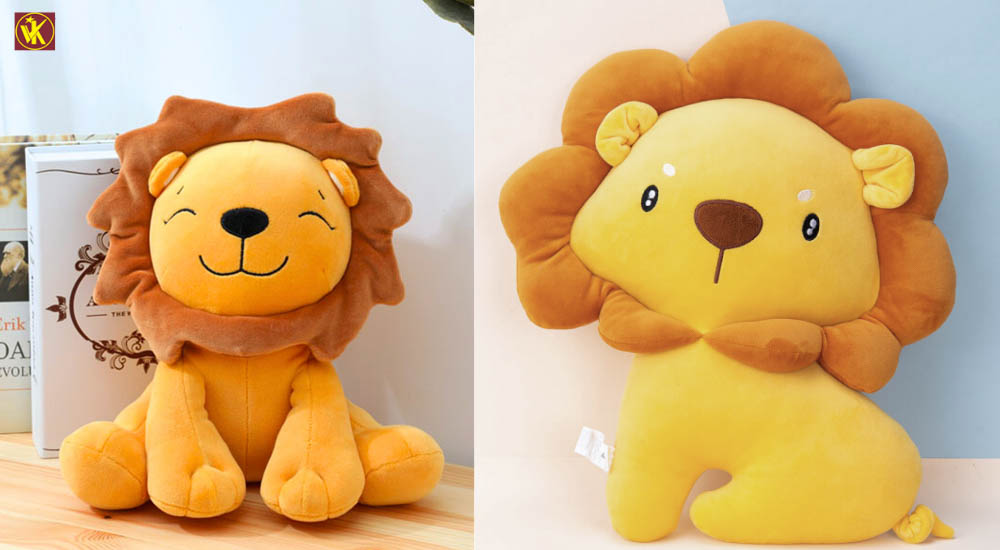
Many businesses do not want to sell standard lion plush designs. They may have their own character, mascot, brand identity, or product concept. OEM and ODM manufacturing provide different ways to turn these ideas into finished products.
OEM Manufacturing based on your design
With OEM production, the buyer provides the design or technical specifications, while the manufacturer produces the plush according to the agreed requirements.
Depending on the project, this can include product dimensions, materials, colors, embroidery, labels, accessories, packaging, and other specifications. OEM production is particularly suitable for brands that already have a developed character or product concept but need a manufacturing partner for commercial-scale production.
ODM support for new product concepts
ODM can be useful for businesses that need more support during product development. Instead of starting with a complete technical package, the buyer can work with the manufacturer to turn an initial concept into a physical sample.
For a new lion plush collection, this may involve selecting suitable fabrics, adjusting proportions, developing patterns, choosing filling materials, and preparing packaging. A clear sampling and approval process helps both parties establish the final specifications before mass production.
Custom branding and packaging
For retailers, distributors, promotional agencies, and brands, customization can make a plush product more relevant to the target market. Depending on the project, options may include embroidered logos, woven labels, hangtags, custom colors, printed packaging, and other branded elements.
These details should be discussed during product development rather than after production has started. Confirming them early helps reduce revisions and makes production planning more straightforward.
Viet Khue: OEM/ODM Lion Plush Toy Manufacturer in Vietnam
For businesses looking for a lion plush toy manufacturer in Vietnam, Viet Khue provides OEM and ODM plush toy production for domestic and international B2B clients. The company specializes in custom plush toys, stuffed animals, mascots, promotional products, and other soft products.
Viet Khue supports buyers throughout product development and bulk manufacturing. Customization can include product size and shape, fabric and color selection, embroidery or printing, prototype development, labels, and packaging according to the project’s requirements.
For businesses sourcing from baby lion plush toy manufacturers, this type of customization is particularly useful when developing products for a specific age group, retail channel, or brand concept. Buyers can discuss material choices, product specifications, and applicable market requirements with the manufacturer before moving into mass production.
Viet Khue can also develop different lion plush formats, from small character products and children’s plush to larger promotional or display pieces. Production can be adapted to the buyer’s design, order volume, target market, and packaging requirements.
Quality Control for Bulk Plush Orders
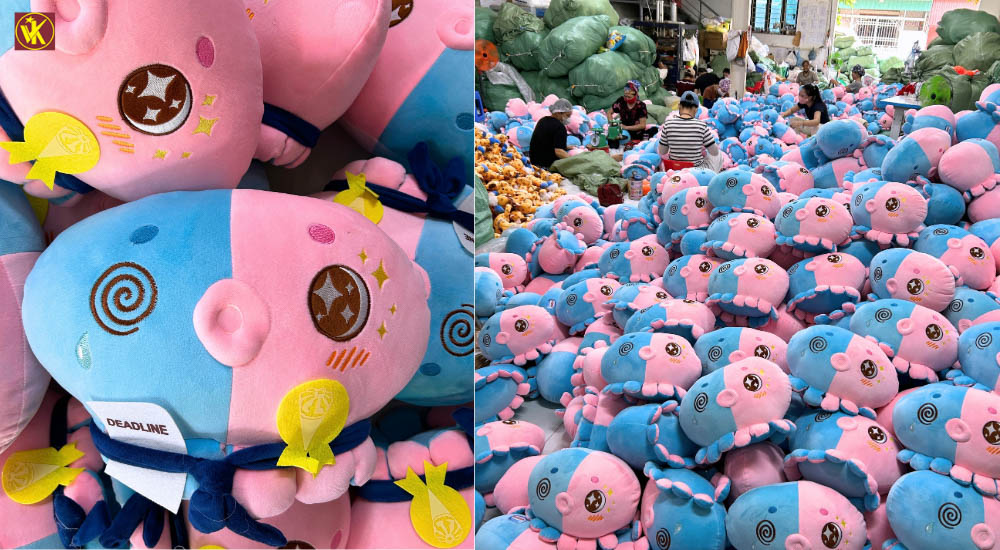
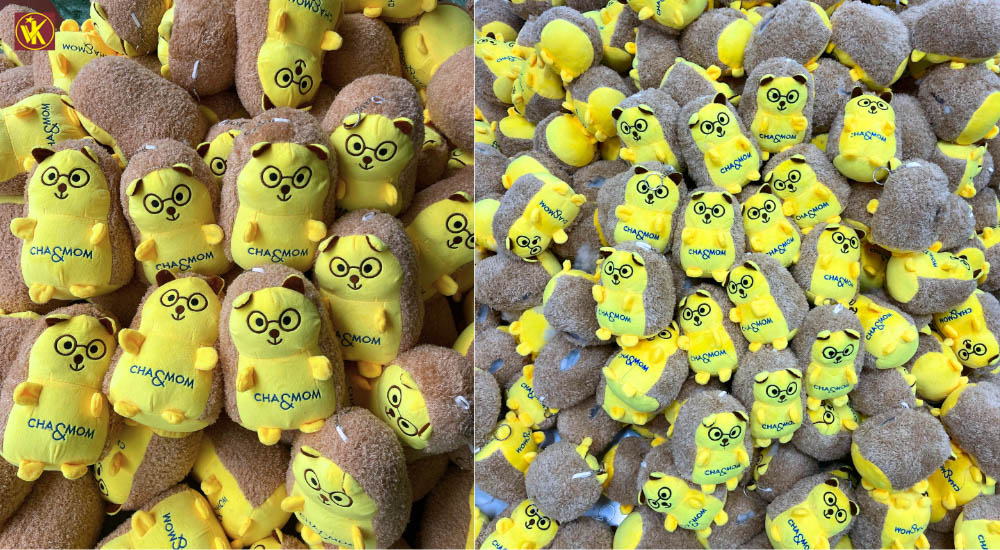
Quality consistency becomes increasingly important as order quantities increase. The approved sample can be used as the production reference, while checks during manufacturing help identify issues with materials, stitching, filling, appearance, dimensions, or finishing.
For international orders, buyers should also communicate their testing and documentation requirements before production begins. This gives the manufacturer enough time to coordinate the relevant materials, inspections, and testing where required.
A Practical Manufacturing Partner for Global Buyers
For overseas buyers, choosing a factory is about more than comparing unit prices. Communication, sampling, production consistency, customization capability, lead times, and understanding of export requirements all influence the overall sourcing experience.
Viet Khue’s OEM/ODM model allows brands, retailers, distributors, and promotional businesses to work directly with a Vietnam-based plush manufacturer when developing custom products. This can be particularly valuable for buyers planning repeat orders or building their own plush collections.
Choosing the right lion plush toy manufacturer requires more than comparing quotations. Buyers should evaluate product development, materials, quality control, safety requirements, customization, production capacity, and export support before committing to a bulk order. With OEM/ODM capabilities and experience in custom plush manufacturing, Viet Khue provides a practical manufacturing option for businesses looking to develop and scale lion plush collections from Vietnam.