

Providing a comfortable sleeping area for dogs and cats is essential for their physical health, emotional well-being, and overall happiness. As more pet owners treat their furry companions as beloved family members, the demand for high-quality pet beds—especially soft-furred sleeping areas—has skyrocketed. These plush, cozy sleeping spaces not only enhance sleep quality but also create a warm, safe environment that pets naturally crave.

In this comprehensive 3000-word guide, we explore everything pet owners need to know about soft-furred sleeping areas for dogs and cats, including their benefits, types, materials, design features, maintenance, buying tips, and the science behind pet comfort.
1. Why a Soft-Furred Sleeping Area Matters for Dogs and Catch
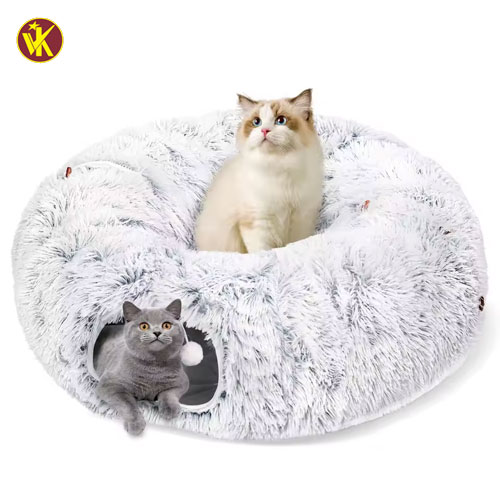
Just like humans, pets require proper rest to maintain optimal health. Dogs sleep between 12–14 hours a day, while cats average an incredible 14–18 hours. A soft-furred sleeping area supports the unique ways pets rest, curl, stretch, and regulate their body temperature.
1.1 Emotional Security
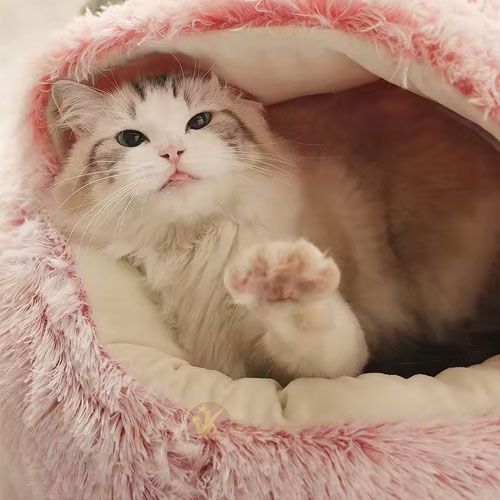
Animals are instinctually drawn to environments that feel enclosed, warm, and safe. A plush sleeping area simulates:
-
The warmth of a mother’s fur
-
The soft touch of natural nesting materials
-
A protective enclave similar to dens
For anxious or rescue pets, soft-furred surfaces significantly reduce stress, helping them feel secure.
1.2 Physical Support
Sleep quality affects:
-
Joint health
-
Muscle repair
-
Growth in younger pets
-
Energy levels
Soft-furred sleeping areas often include orthopedic foam or padded bases which cushion joints and improve spinal alignment—especially crucial for older dogs or cats.
1.3 Warmth & Thermoregulation
Pets lose heat faster when sleeping on bare floors. Soft-furred beds help retain warmth naturally, making them ideal for:
-
Cold climates
-
Air-conditioned homes
-
Short-haired breeds
-
Puppies and kittens
2. Key Benefits of Soft-Furred Pet Sleeping Areas
2.1 Superior Comfort
The soft, luxurious fur-like texture mimics natural nesting conditions. This results in deeper, uninterrupted sleep cycles, which enhance overall health.
2.2 Anxiety Reduction
Many soft-furred sleeping areas are intentionally designed in donut or cave shapes to ease nervousness. The softness calms pets, especially during:
-
Thunderstorms
-
Fireworks
-
Travel
-
Separation from owners
2.3 Support for Joint and Bone Health
Soft-furred beds with memory foam or orthopedic padding relieve pressure on:
-
Hips
-
Knees
-
Spine
-
Elbows
Ideal for pets with arthritis, hip dysplasia, or old age.
2.4 Cleanliness & Hygiene
A dedicated pet sleeping space prevents dogs and cats from sleeping on cold, dusty, or hard floors, which can lead to:
-
Respiratory irritation
-
Shedding accumulation around the home
-
Exposure to bacteria
2.5 Protection of Furniture
A cozy and appealing sleeping area encourages pets to rest in their designated space rather than on sofas or beds.
3. Types of Soft-Furred Sleeping Areas for Dogs and Cats
Soft-furred pet beds come in various designs tailored to different pet behaviors, climates, and sizes.
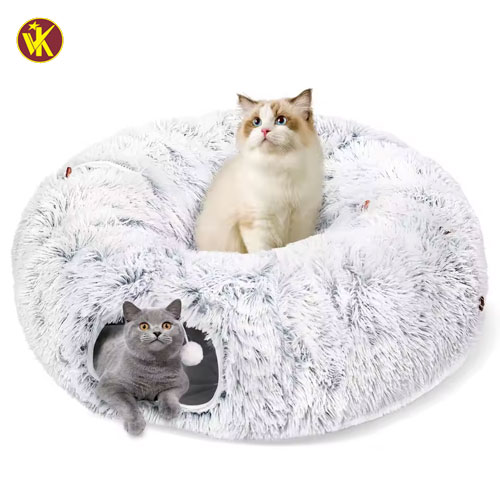
3.1 Donut or Round Plush Beds
These feature raised edges and a circular plush surface.
Best for:
-
Pets that curl up tightly
-
Anxious dogs and cats
-
Smaller breeds
Benefits:
-
Surrounding bolster creates a nest-like feel
-
Extremely soft fur stimulates calming hormones
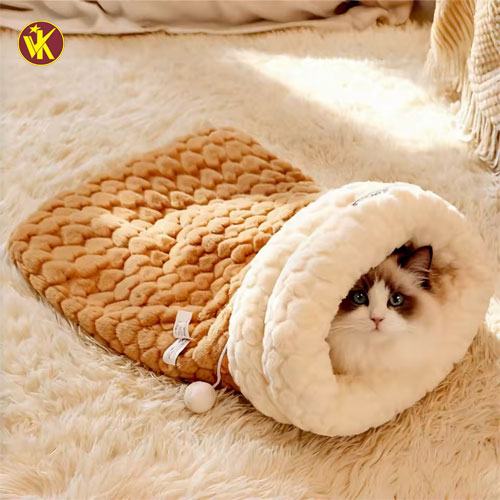
3.2 Cave or Hooded Soft-Furred Beds
These beds include a semi-enclosed “roof” covered in plush fur.
Best for:
-
Cats (they love hiding!)
-
Shy dogs
-
Pets who like privacy
Benefits:
-
Mimics a natural den
-
Enhances warmth and security
3.3 Orthopedic Soft-Furred Beds
A mattress-style bed with memory foam and soft fur on top.
Best for:
-
Senior dogs
-
Large breeds
-
Pets with joint problems
Benefits:
-
Provides advanced support
-
Easy to step on and off
3.4 Plush Crate Mats
These are thin, soft-furred pads that fit inside kennels and crates.
Best for:
-
Crate-trained dogs
-
Cats who enjoy lounging in carriers
Benefits:
-
Lightweight and portable
-
Adds comfort without bulk
3.5 Self-Warming Soft-Furred Beds
These beds reflect the pet’s body heat using special materials under the plush fur.
Best for:
-
Cold seasons
-
Small or short-haired pets
-
Kittens and puppies
Benefits:
-
Eco-friendly alternative to electric heating beds
3.6 Plush Raised Beds
Soft-furred pads placed atop elevated frames.
Best for:
-
Outdoor patios
-
Pets who prefer airflow under their body
Benefits:
-
Combines ventilation with comfort
4. Materials Used in Soft-Furred Sleeping Areas
The materials directly impact durability, comfort, safety, and ease of cleaning.
4.1 Plush Faux Fur
The signature material for soft-furred beds.
Pros:
-
Ultra-soft and luxurious
-
Hypoallergenic
-
Gentle on skin
4.2 Polyester Filling
Provides cushioning for the bed structure.
Pros:
-
Lightweight
-
Retains shape well
4.3 Memory Foam
Common in orthopedic models.
Pros:
-
Supports joints
-
Conforms to the pet’s body
4.4 Cotton or Microfiber Linings
These prevent overheating while maintaining softness.
Pros:
-
Breathable
-
Pet-friendly
4.5 Waterproof or Water-Resistant Bases
Protects floors and prevents bacteria buildup.
5. Design Features That Improve Comfort and Health
5.1 Raised Bolsters
Help pets rest their:
-
Head
-
Chin
-
Neck
Provides ergonomic support similar to a pillow.
5.2 Non-Slip Bottom
Prevents beds from sliding on hardwood or tile floors.
5.3 Removable Covers
Simplify washing while preserving the fur’s quality.
5.4 Machine-Washable Materials
Important for hygienic maintenance, especially if pets shed heavily.
5.5 Breathable Inner Layers
Ensure airflow and prevent overheating beneath the fur.
6. Choosing the Right Soft-Furred Sleeping Area
6.1 Consider Your Pet’s Size
A general rule:
-
Your pet should fit comfortably while stretching
-
Add 15–20 cm for medium dogs
-
Add 25–30 cm for large dogs
Cats typically need compact spaces but appreciate cozy enclaves.
6.2 Observe Sleeping Habits
Curlers: donut or cave beds
Stretchers: large rectangular plush beds
Burrowers: hooded or tunnel beds
Leaning types: beds with bolsters
Warm-seekers: thick plush fur or self-warming materials
6.3 Factor in Age and Health
-
Senior pets → orthopedic support
-
Puppies/kittens → fluffy warmth
-
Arthritic pets → low-entry beds
6.4 Match Climate Conditions
Cold regions → thicker plush, enclosed designs
Warm regions → breathable plush with ventilated sides
6.5 Durability for Chewers
Look for reinforced stitching and chew-resistant fabrics.
7. Maintenance and Cleaning Tips
Soft-furred beds require proper care to maintain hygiene and softness.
7.1 Regular Washing
Wash covers every:
-
1–2 weeks for dogs
-
2–4 weeks for cats
7.2 Brushing the Fur Layer
Use a pet brush to remove:
-
Hair
-
Dust
-
Dander
7.3 Vacuuming the Sleeping Area
Keeps allergens low and prevents flea buildup.
7.4 Using Pet-Friendly Detergents
Avoid strong fragrances and harsh chemicals.
7.5 Sun-Drying to Prevent Odor
Sunlight helps naturally:
-
Sanitize
-
Reduce bacteria
-
Restore fluffiness
8. The Psychology Behind Soft-Furred Comfort
Pets instinctively gravitate toward soft textures for several biological reasons.
8.1 Maternal Association
Soft fur mimics the warmth of their mother’s coat, comforting young animals.
8.2 Denning Instinct
Dogs and cats are natural den creatures. Soft-furred beds simulate a cave-like hideaway.
8.3 Sensory Satisfaction
Soft textures trigger endorphin release similar to being groomed or petted.
8.4 Temperature Regulation
Plush fur traps heat, allowing efficient thermoregulation.
9. Why Soft-Furred Sleeping Areas Are Ideal for Both Dogs and Cats
Though dogs and cats differ in behavior, both benefit enormously from plush sleeping surfaces.
9.1 Suited for All Breeds
From Chihuahuas to Huskies, and from Munchkin cats to Maine Coons, soft-furred beds come in appropriate sizes.
9.2 Encourages Better Sleep Hygiene
A dedicated sleep zone improves patterns and reduces disturbances.
9.3 Helps Reduce Shedding in Furniture
Pets will prefer the comfort of their plush bed over couches.
9.4 Enhances Bonding
A well-rested pet is calmer, more affectionate, and more playful.
10. Buying Guide: What to Look For
✔ Soft yet durable faux fur
✔ Washable fabrics
✔ Orthopedic foam for older pets
✔ Correct sizing
✔ Non-toxic materials
✔ Anti-slip base
✔ Breathable inner layers
✔ Stylish design that suits your home
11. Popular Uses of Soft-Furred Beds
-
Living rooms
-
Bedrooms
-
Pet crates
-
Cars for travel
-
Veterinary clinics
-
Pet hotels
They are versatile and provide comfort anywhere.
12. The Future of Soft-Furred Pet Sleeping Areas
Pet product innovation is rising fast, with new trends including:
-
Temperature-regulating plush
-
Memory fur that molds to pets’ bodies
-
Antibacterial plush materials
-
Eco-friendly recycled fur fibers
As the pet industry grows, these soft-furred sleeping areas will become even more advanced and customizable.
A soft-furred dog and cat sleeping area is far more than just a bed—it’s a sanctuary of comfort, warmth, and security. Whether your pet is a playful kitten, a senior dog, a shy rescue animal, or simply a companion who loves to lounge, soft-furred beds cater to their deepest instincts and physical needs.
With the right design, material, and size, a plush sleeping area can significantly improve your pet’s well-being, reduce anxiety, enhance sleep quality, and make your home cleaner and more organized.
Investing in a high-quality soft-furred pet bed means giving your furry family member the comfort they deserve.