

New
How to Clean Plush Toys With Baking Soda Safely and Effectively
How to clean plush toys with baking soda is a practical and cost-effective solution for retailers, distributors, and brands managing plush products at scale. This method helps remove odors, surface dust, and light dirt while preserving fabric quality-making it ideal for product display, warehouse storage, and bulk handling in B2B operations.
Why baking soda is commonly used to clean plush toys?
For businesses handling plush toys at scale-whether in retail, warehousing, or distribution-maintaining product cleanliness without compromising material quality is a constant challenge. Unlike regular textiles, plush toys often feature soft fabrics, delicate stitching, and sensitive fillings that can be easily affected by moisture or harsh cleaning agents. Baking soda offers a practical alternative by enabling surface-level cleaning and odor control without the risks associated with water-based or chemical-intensive methods. This makes it a preferred solution for maintaining product appearance across different stages, from storage to display.
Natural odor removal for stuffed animals
One of the key reasons baking soda is widely used in plush toy maintenance is its natural ability to neutralize odors. Plush products stored in warehouses or transported over long distances can absorb smells caused by humidity, packaging materials, or limited airflow. Instead of masking these odors, baking soda works by absorbing and eliminating the underlying particles, helping restore a clean and neutral scent. For retailers and distributors, this is particularly valuable when preparing products for display or customer delivery, where first impressions directly impact perceived product quality.
Safe cleaning solution for delicate plush fabrics
Plush toys are typically made from materials that require careful handling, such as polyester fibers, microfiber fabrics, or specialty plush textures. Using liquid cleaners or aggressive detergents can lead to color fading, fabric distortion, or damage to embroidery details. Baking soda, by contrast, is non-abrasive and does not introduce moisture into the product, making it suitable for surface cleaning without affecting the structural integrity of the toy. This is especially important for high-value plush items, custom-designed products, or samples used for client presentations, where maintaining original quality is critical.
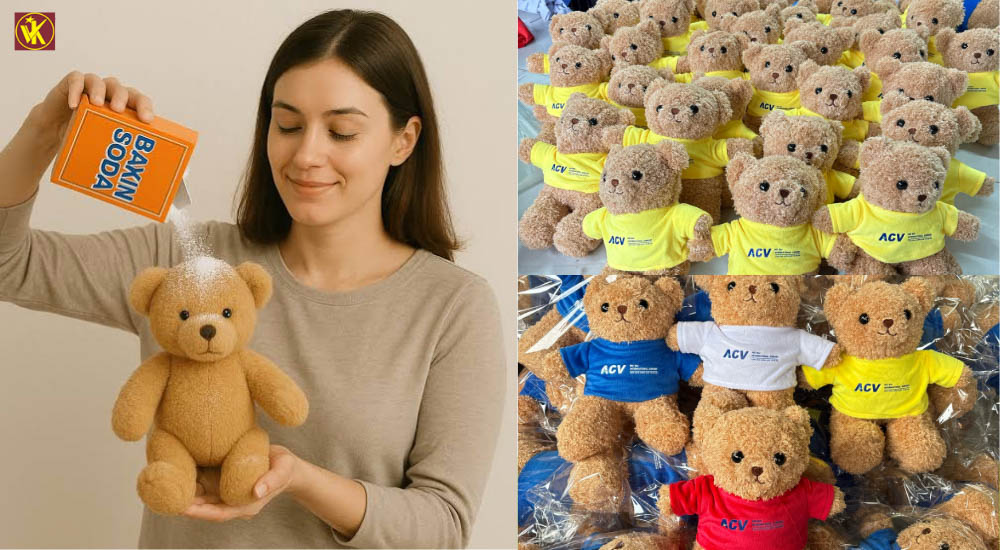
Suitable for retail display, warehouse storage, and promotional plush toys
From a B2B perspective, baking soda cleaning is not only about hygiene but also about operational efficiency. Retailers can quickly refresh display items without removing them from shelves for extended cleaning processes, while warehouse operators can maintain inventory condition without disrupting logistics flow. The method is also widely applied to promotional plush toys used in events or marketing campaigns, where products need to look clean and presentable within tight timelines. By integrating simple cleaning practices like baking soda treatment, businesses can extend product lifespan, reduce return risks, and maintain consistent quality across large inventories.
Step-by-Step guide on how to clean plush toys with baking soda
For retailers, distributors, and brands handling plush toys in bulk, applying the right cleaning process is essential to maintain product quality while ensuring operational efficiency. Unlike conventional washing methods, baking soda cleaning focuses on surface treatment, helping remove odors and light dirt without exposing plush materials to moisture or mechanical stress. When done correctly, this method preserves fabric texture, maintains shape integrity, and keeps products ready for display or delivery.
Remove loose dust and surface dirt before cleaning
Before applying baking soda, it is important to eliminate loose dust and visible surface debris. This step prevents dirt from being redistributed across the fabric during the cleaning process. Businesses typically use soft brushes, lint rollers, or microfiber cloths to gently clean the surface, especially for plush toys that have been stored in warehouses or displayed on shelves. Proper pre-cleaning ensures better contact between baking soda and the fabric, improving overall cleaning effectiveness.
Apply baking soda evenly on the plush surface
Once the surface is prepared, a thin and even layer of baking soda should be applied across the plush toy. It is important to distribute the powder carefully, focusing on areas that tend to absorb more odor such as the main body and fabric folds. Over-application should be avoided, as excessive powder can be difficult to remove and may settle into seams or stitching. For bulk handling, this step can be standardized to ensure consistency across multiple products.
Let the baking soda absorb odors and moisture
After application, the plush toy should be left undisturbed for several hours to allow the baking soda to absorb odors and residual moisture. In environments with stronger odor buildup-such as long-term storage or shipping conditions-placing the toy in a sealed bag or container can enhance the absorption process. This step is critical, as it directly impacts how effectively unwanted smells are neutralized without using chemical agents.
Remove excess powder safely without damaging the fabric
Once the absorption process is complete, the remaining baking soda must be removed carefully to avoid damaging the plush surface. Businesses typically use gentle shaking, soft brushing, or vacuum cleaners with low suction and brush attachments to clean off the powder. Special attention should be given to seams, embroidery areas, and textured fabrics to ensure no residue is left behind, as leftover powder can affect product appearance and customer perception.
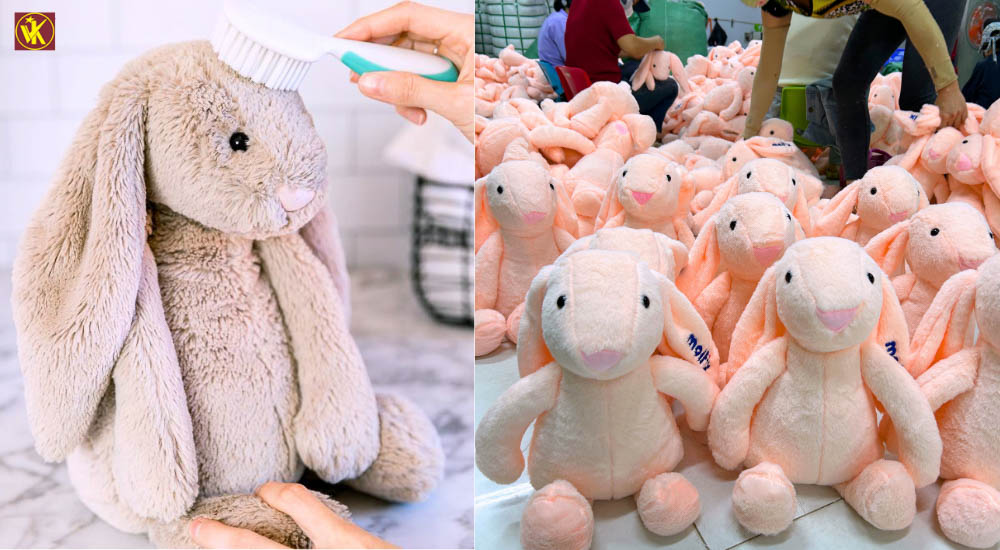
Proper drying and storage after cleaning
After cleaning, plush toys should be placed in a dry, well-ventilated environment to ensure any remaining moisture is fully released. Although baking soda cleaning does not involve water, proper airflow helps maintain freshness and prevents odor from returning. For B2B operations, this is also the stage where products can be repackaged or moved back into inventory. Ensuring correct storage conditions after cleaning helps extend product lifespan and maintain consistent quality across batches.
Professional plush toy care tips for retailers and brands
For retailers, importers, and distributors, maintaining plush toy quality goes beyond occasional cleaning. Long-term product value depends on proper storage, handling, and material selection throughout the supply chain. Whether products are stored in warehouses, displayed in retail environments, or prepared for international shipping, consistent care standards help reduce damage risks, maintain appearance, and ensure customer satisfaction at scale.
How proper storage helps reduce odor and dust buildup
Storage conditions play a critical role in preserving the cleanliness and freshness of plush toys. Environments with high humidity, poor ventilation, or prolonged packaging can lead to odor buildup and dust accumulation over time. To minimize these risks, plush products should be stored in dry, well-ventilated spaces, ideally with controlled humidity levels. Using sealed packaging, protective covers, or storage containers can further reduce exposure to external contaminants, helping maintain product condition from warehouse to end user.
Common cleaning mistakes businesses should avoid
In large-scale operations, improper cleaning methods can lead to product damage and increased return rates. One of the most common mistakes is using excessive moisture, which can affect the internal stuffing and cause deformation or mildew if not dried properly. Another issue is aggressive brushing or scrubbing, which may damage fabric texture or embroidery details. Additionally, failing to remove cleaning residues-such as leftover powder-can negatively impact product appearance. Establishing standardized cleaning procedures helps businesses maintain consistent quality across all inventory.
Why high-quality plush materials are easier to maintain
Material quality has a direct impact on how well plush toys withstand cleaning and long-term storage. High-grade fabrics and premium stuffing materials are less likely to retain odors, deform under pressure, or degrade over time. For businesses, investing in better material quality from the beginning reduces maintenance effort, extends product lifespan, and enhances overall brand perception. This is particularly important for custom plush toys, promotional items, and retail products where consistency and durability are key.
Viet Khuê – Reliable OEM Plush Toy Manufacturer for Global B2B Orders
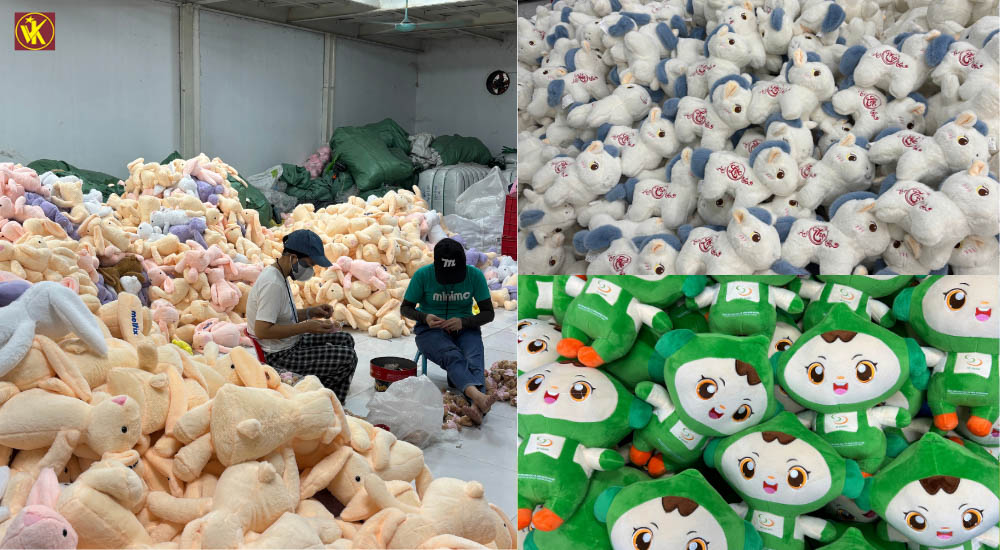
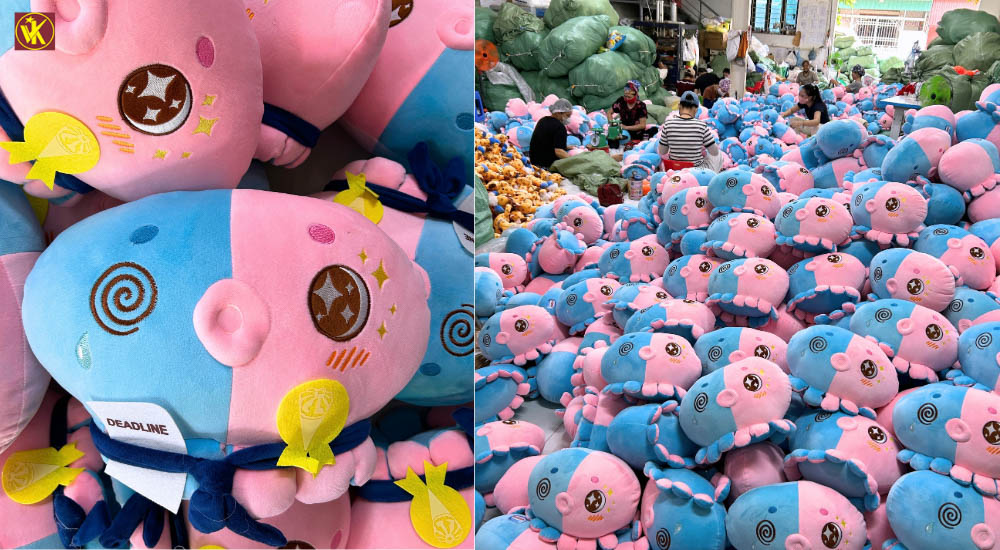
Viet Khuê is a Vietnam-based OEM and ODM plush toy manufacturer with extensive experience serving international B2B clients, including retailers, brands, distributors, and promotional agencies. With a fully integrated production system, the company supports custom plush toy development from concept to mass production, ensuring consistency in quality, design accuracy, and delivery timelines across bulk orders.
One of Viet Khuê’s key strengths lies in its ability to control material quality and manufacturing standards at every stage. From fabric selection and stuffing to embroidery and finishing, each product is produced under strict quality control processes to meet export requirements. This not only ensures durability and visual consistency but also makes the products easier to maintain throughout storage, transportation, and retail display.
For global partners looking to scale plush toy production, Viet Khuê offers flexible manufacturing solutions tailored to different business models-from private label collections to large-scale promotional campaigns. With competitive pricing, reliable lead times, and experience in international markets, Viet Khuê continues to be a trusted partner for businesses seeking long-term, stable supply of high-quality plush products.
Contact Viet Khuê for OEM Plush Toy Manufacturing
If you are looking for a reliable partner for custom plush toy production, Viet Khuê offers scalable OEM/ODM solutions tailored for global B2B clients. From design consultation to bulk manufacturing, the team supports businesses with consistent quality, flexible production, and competitive pricing.
Get in touch today to discuss your project and receive a quotation:
- Website: vietkhue.net
- Hotline: +84 988 599 250
Understanding how to clean plush toys with baking soda is not only useful for basic maintenance but also plays an important role in preserving product quality across the supply chain. For retailers, distributors, and brands, simple and safe cleaning methods like this help maintain appearance, reduce odor issues, and ensure plush toys remain in optimal condition for display and customer delivery. Combined with proper storage and high-quality manufacturing, these practices contribute to better product longevity and stronger brand perception in competitive markets.